Boost Safety with CCTV Systems Featuring Integrated Monitors
Cctv With Screen ================
• The capability to size a part of camera sights that are larger than the others. Tablet computers act as an efficient CCTV surveillance tool, stabilizing mobility with display dimension. They're excellent for fast check-ins or when you require a larger screen but still need the convenience of portability.
Types of CCTV Solutions
Explore how offsite CCTV tracking functions, from the innovation behind it to the procedures entailed. Learn more about the benefits of sophisticated security solutions, including improved protection, real-time risk discovery, and satisfaction for homes and organizations. At one of the initial security exhibits I went to a variety of years earlier, CCTV modern technology had been made it possible for to display numerous multiplexed cam views on single displays. Practically every stand had demos of exactly how one could have four, 9 or even an amazing (for those days) 12 cams showed on a single monitor. High-resolution monitors are now more readily offered and obtainable.
Consist of white security LED lights, to function as a movement sensing unit light combination, CCTV. Two way sound for communication and alarm system warning to burglar that invasion was found. The outside wi-fi safety video camera for home and company, will certainly send out alarm system press notification to your phone, when movement is identified. This information can be accessed through the application software program on your smart phone from South Africa and anywhere in the world.
Many analogue and IP electronic camera choices now include the use of Expert system, so users can access functions such as motion detection. The size of the screens, quality of the picture, and checking out distance from the operators are also variables to think about. Assisted checking out such as displays being set off by alarm events can both enhance detection and, where comprehensive duds are encountered, lower it.
CCTV systems have actually become an important part of modern-day safety framework, supplying monitoring solutions for both domestic and business properties. Numerous sorts of CCTV systems are offered, each developed to fulfill certain checking demands and ecological conditions. From traditional analog systems to sophisticated IP-based video cameras, recognizing the various kinds of CCTV systems is critical for choosing the ideal configuration for effective tracking and security administration.
Dome Cameras
CCTV systems are an important part of modern safety options, supplying monitoring and tracking capacities for numerous environments. One prominent type of CCTV video camera is the dome cam, recognized for its one-of-a-kind layout and versatility.
Dome video cameras are commonly housed in a dome-shaped case, which not only makes them aesthetically pleasing however additionally offers a degree of tamper resistance. Their dome design allows them to blend flawlessly into most settings, making them optimal for both interior and outside usage. This kind of video camera is often placed on ceilings or wall surfaces, supplying a large range of angles for keeping an eye on areas like retailers, workplaces, and public spaces.
Among the crucial benefits of dome video cameras is their capacity to capture a broad range of sights. Many designs come geared up with varifocal lenses, permitting customers to adjust the focal size and focus for detailed photos or widen the view for much more comprehensive coverage. Additionally, dome video cameras usually feature infrared (IR) abilities, making it possible for clear video footage in low-light conditions, which is critical for night surveillance.
One more essential feature of dome cams is their resistance to criminal damage. The long lasting housing shields the inner elements, making it harder for prospective burglars to damage or damage the camera. This particular is especially useful in high-risk locations, where protection is a major concern.
In summary, dome video cameras are a prominent choice in CCTV systems because of their very discreet design, versatility, and improved safety attributes. Their ability to adjust to different atmospheres while providing trusted surveillance makes them a staple in contemporary safety configurations.
Bullet Cameras
Closed-circuit tv (CCTV) systems play an important role in surveillance and safety. One of the most prominent sorts of video cameras made use of in these systems is the bullet camera. Bullet video cameras are known for their distinct round form and adaptability in various applications.
- Layout: Bullet video cameras typically have a long, cylindrical style that makes them easily obvious and can hinder possible trespassers.
- Installing Choices: They can be mounted on wall surfaces or ceilings, providing adaptability in placement to optimize the field of vision.
- Variety: Bullet cams commonly feature adjustable focal sizes and can capture clear pictures over longer distances, making them perfect for outdoor use.
- Weather Resistance: Numerous bullet cams are made to stand up to numerous weather conditions, making them appropriate for both indoor and exterior environments.
- Evening Vision: Furnished with infrared technology, bullet video cameras can provide top quality pictures also in low-light problems.
In general, bullet cams are a trustworthy and efficient component of any kind of CCTV system, especially when made use of combined with a surveillance configuration for improved safety and security. Their toughness and capability make them a favored selection for both household and business residential or commercial properties.
PTZ Cameras
CCTV systems have actually ended up being crucial for improving safety and surveillance in numerous atmospheres, from houses to business rooms. They give real-time surveillance and can assist stop criminal offense, make certain safety and security, and act as evidence in investigations. Among the different sorts of CCTV video cameras, PTZ (Pan-Tilt-Zoom) electronic cameras stand apart because of their flexibility and progressed performance.
PTZ cameras allow individuals to remotely manage the electronic camera's activity, permitting a wide coverage location. With the capability to pan left and ideal, tilt backwards and forwards, and zoom in on details locations or topics, these video cameras are excellent for keeping an eye on large areas such as parking area, warehouses, and open public areas. Their capacity to zoom assists in capturing great information from a range, making them a superb device for identification functions.
These electronic cameras can be integrated with CCTV systems to improve monitoring abilities. This suggests that with the appropriate arrangement, individuals can use a solitary PTZ electronic camera to keep an eye on multiple locations without the requirement for several static video cameras. Individuals can pre-programmed details settings and zoom levels, making it possible for automated monitoring of movements or concentrating on areas where activity is identified with activity sensing units.
Additionally, modern-day PTZ cams often come furnished with attributes such as infrared evening vision, which enables clear visibility also in low-light conditions. They can additionally support high-def video capture, making sure that the high quality of the video is described and useful for safety analysis.
Finally, incorporating a PTZ electronic camera into a CCTV system gives improved monitoring capabilities, making it an effective device for securing various environments. Its flexibility and progressed functions help make sure extensive surveillance that can adjust to various protection requires properly.
Box Cameras
CCTV systems have ended up being an essential part of modern-day security facilities, offering monitoring for different settings. Amongst the numerous sorts of CCTV cams, box video cameras are a noteworthy choice. Box video cameras are understood for their unique rectangular form and deal versatility in terms of lens installation and installing.
Box cameras are generally housed in a resilient covering, making them suitable for both indoor and exterior setups. Their modular style permits users to select from a variety of lenses to attain the wanted field of vision and zoom capacity. This convenience makes box cameras optimal for a large range of applications, including monitoring parking area, retailers, and office complex.
Among the primary benefits of box cameras is their premium photo high quality. They typically come geared up with sophisticated imaging innovations, boosting low-light efficiency and ensuring more clear images under various lighting problems. Additionally, box electronic cameras can be fitted with numerous functions such as motion detection, infrared night vision, and remote accessibility abilities, even more enhancing their practical appeal.
When coupled with a CCTV monitor, box video cameras supply seamless real-time security, enabling security workers to respond promptly to incidents. The combination of box cams with sophisticated surveillance systems guarantees reliable safety monitoring, making them a preferred selection for numerous safety and security arrangements.
IP Cameras
CCTV (Closed-Circuit Tv) systems play a crucial duty in improving safety and security for numerous settings, including homes, services, and public spaces. These systems are made to transmit video clip footage to a specific collection of displays or taping gadgets, enabling real-time tracking and recording of occasions. Amongst the different sorts of CCTV systems, IP electronic cameras have actually gotten considerable popularity due to their sophisticated attributes and versatility.
IP cameras, or Net Protocol electronic cameras, run utilizing electronic signals and can send and get data using a network. This modern technology permits customers to accessibility online video feeds remotely with smart devices, tablet computers, or computers. Unlike typical analog electronic cameras, which are restricted by cable size and require direct connections to a recording tool, IP electronic cameras can be situated anywhere with a network link, making them perfect for larger installations.
There are numerous types of CCTV systems offered, consisting of analog systems, digital video clip recorders (DVRs), and network video clip recorders (NVRs). Analog systems are usually easier and extra affordable but may do not have the photo high quality and functions found in contemporary electronic systems. DVRs permit the recording and playback of video, while NVRs are particularly developed for IP cams and provide even more large storage space options together with superior image top quality.
An additional crucial facet of IP electronic cameras is their capacity to offer high-def video clip, with resolutions commonly going beyond 1080p. Numerous IP cams also come furnished with sophisticated functionalities, such as movement detection, evening vision, and progressed analytics, which can be useful for monitoring particular locations better. In addition, several models sustain cloud storage alternatives, giving backup for videotaped footage and enhanced ease of access.
When selecting a CCTV system, considering aspects such as the specific safety and security needs, budget, and installment complexity is necessary. With the assimilation of IP electronic cameras right into CCTV systems, individuals can enjoy improved monitoring abilities and better control over the security of their property.
Parts of a CCTV System
A CCTV system plays a critical duty in modern-day security and safety, permitting individuals to keep an eye on tasks and safeguard residential or commercial property properly. This system normally includes several essential components that interact to catch, transfer, and show video clip footage. From cameras that record high-resolution photos to displays that supply real-time viewing, each element offers a certain function to enhance safety measures, making it crucial for both residential and business environments.
Cameras
A CCTV system is consisted of several vital components that collaborate to supply monitoring and tracking capacities. Among the most essential components in this system is the electronic camera, which plays an essential duty in recording video clip footage. Video cameras can differ widely in regards to performance, resolution, and style, making sure that there is an ideal option for different surveillance demands.
CCTV video cameras can be found in various kinds, consisting of dome electronic cameras, bullet video cameras, and PTZ (pan-tilt-zoom) cameras. Dome cams are frequently utilized for interior applications and are understood for their discreet design, making them much less noticeable to possible burglars. Bullet cams, on the other hand, are suitable for outside use and typically feature a cylindrical shape that allows for concentrated security over longer distances. PTZ video cameras provide adaptability, allowing drivers to from another location regulate the cam's activity, focus on details areas, or pan across a wide field of view.
Another vital facet of CCTV cameras is their resolution. Greater resolution cameras offer more clear and more thorough pictures, which can be crucial in recognizing people or vehicles in a security setup. Modern video cameras usually come furnished with functions such as infrared evening vision, making it possible for reliable monitoring in low-light conditions. Furthermore, some cameras include smart technology abilities, such as movement detection and facial acknowledgment, more enhancing their efficiency.
In general, the selection of cam in a CCTV system is essential, as it straight affects the quality of security. Correct choice and placement of these electronic cameras guarantee detailed protection and add significantly to the overall protection approach.
Screens
A CCTV (Closed-Circuit Television) system plays a critical role in monitoring and safety and security. One of the crucial elements of this system is the screen, which serves as the interface for seeing real-time video clip feeds or recorded video from the electronic cameras. Displays can vary in size, resolution, and innovation, giving users with various alternatives to fit their monitoring requires.
Displays are categorized into several kinds, including LCD, LED, and OLED screens. Each type supplies various levels of brightness, color accuracy, and energy effectiveness. High-definition screens are more suitable for catching finer information, making it easier to determine people or objects in a certain location.
Furthermore, screens can be single-screen or multi-screen arrangements, relying on the user's requirements. Multi-screen systems permit synchronised viewing of multiple cam feeds, improving situational awareness. Many protection procedures centers use wall-mounted or desktop screens for convenience of accessibility and optimum viewing angles.
Advanced CCTV systems might also integrate functions such as video analytics directly on the display, permitting users to obtain informs, track movement, or examine video extra effectively. Combination with electronic video clip recorders (DVRs) or network video recorders (NVRs) is likewise usual, making it possible for users to assess documented footage along with live streams.
In recap, the screen is a crucial element of a CCTV system, providing customers with essential visual data that supports safety efforts and responsive actions in both industrial and property settings.
Recorders
A CCTV (Closed-Circuit Television) system is important for monitoring, safety and security, and surveillance in numerous environments. One of the most vital components of a CCTV system is the recorder, which plays a critical duty in recording, saving, and managing video clip footage. Below are the main kinds of recorders commonly utilized in CCTV systems:
- DVR (Digital Video Clip Recorder): A DVR is made to tape-record and save video from analog video cameras. It presses video clip data for effective storage and allows individuals to accessibility live feeds and videotaped video with a linked display.
- NVR (Network Video Clip Recorder): NVRs are used with IP cams and capture video clip over a network. They provide enhanced resolution and functions such as remote monitoring, making them optimal for modern-day protection systems.
- Hybrid Recorder: These gadgets can suit both analog and IP cameras, giving versatility for systems that may require to incorporate older modern technology with newer services.
- Cloud-Based Recorders: These recorders save video footage online, allowing for remote access from any type of gadget with internet connection. They offer benefits such as automated back-ups and decreased hardware prices.
Selecting the right type of recorder relies on the certain needs of the monitoring system, consisting of factors like cam kind, storage space requirements, and desired accessibility to video clip feeds.
Cable televisions and Connectors
A Closed-Circuit Tv (CCTV) system is a necessary component for security and safety. It makes up numerous crucial elements that interact to make sure effective tracking and recording of tasks in a designated location. Comprehending these parts, along with the required cables and adapters, is crucial for establishing a dependable CCTV system that interfaces well with a monitor for real-time viewing and playback.
The key components of a CCTV system include cameras, a digital video recorder (DVR) or network video clip recorder (NVR), a display for screen, power supply units, and storage devices. Cams are responsible for capturing video clip footage, while DVRs and NVRs deal with the processing and storing of this footage. Displays then permit customers to view the live feed or taped footage from the cams.
Cables play a crucial function in attaching these components. Usual kinds consist of coax cables, which are typically utilized for analog video cameras, and Ethernet cables, which connect IP video cameras to the NVR in networked arrangements. The choice of cord usually relies on the kind of CCTV system and the range between elements. For futures, HDMI or VGA cable televisions may be used to connect the DVR or NVR to the monitor, ensuring high-def watching.
Connectors are similarly essential, as they help with a secure user interface between wires and devices. BNC ports are frequently utilized with coax cables for standard analog systems, while RJ-45 connectors are typical for Ethernet wires in IP-based systems. Proper selection and installation of cable televisions and ports are vital to keep the honesty of the CCTV system, preventing signal loss and guaranteeing premium video transmission.
To conclude, recognizing the parts of a CCTV system, along with the ideal wires and ports, is important for efficient security tracking. A properly designed system not only enhances monitoring capacities but likewise gives assurance for both domestic and business residential or commercial properties.
Power Supply Units
A CCTV system is composed of several crucial elements that work together to provide surveillance and surveillance capabilities. One vital aspect of this system is the power supply unit (PSU), which guarantees that all parts get the necessary power to operate successfully. The PSU plays an important function in preserving the reliability and capability of the entire system.
- Power Supply Type: Numerous types of PSUs are available, including transformer-based and switched-mode power supplies. The choice depends on the power needs of the electronic cameras and various other components.
- Voltage Demands: The majority of CCTV video cameras operate details voltage degrees, commonly 12V or 24V. The PSU should match these requirements to avoid damages.
- Current Rating: The present score of the PSU must suffice to sustain all linked tools. Determining the complete current draw of the system is essential.
 * Back-up Power: Some systems may consist of backup power alternatives, like uninterruptible power products (UPS), to make certain continued operation during power outages.
 - Distribution: A PSU with numerous outcomes can distribute power to numerous video cameras, streamlining setup and lowering cable television mess.
- Rise Security: Great power supply devices frequently consist of rise protection features to guard the system from voltage spikes.
Advantages of CCTV Surveillance
CCTV monitoring has actually become a vital safety and security procedure for homes and businesses alike, offering countless benefits in regards to safety and security and surveillance. By providing real-time footage, these systems make it possible for reliable tracking of various atmospheres, aiding to discourage criminal activity and boost overall security. Additionally, the ability to review documented video footage can be important for investigations and evidence event, making sure comfort for homeowner. With innovations in technology, modern CCTV systems also include remote accessibility capabilities, even more increasing their energy and performance in safeguarding properties.
Boosted Safety
The implementation of CCTV keeping track of systems has come to be significantly preferred as a result of their numerous advantages in enhancing safety and security. One of the main advantages of CCTV electronic cameras is their ability to act as a powerful deterrent to crime. When possible culprits see that a location is under monitoring, they are much less most likely to take part in unlawful activities, recognizing that their activities are being videotaped.
An additional substantial benefit of CCTV tracking is the capacity to provide real-time surveillance. Safety employees can monitor online feeds from several video cameras, permitting speedy reaction to any suspicious activity. This immediacy can prove important in avoiding burglary, criminal damage, or other criminal acts before they escalate.
Furthermore, CCTV systems add to boosted safety and security in settings such as work environments, institutions, and public rooms. They permit better tracking of behavior, minimizing the possibilities of accidents or run-ins. In the event of an incident, taped video can provide important proof for investigations, guaranteeing responsibility and justice.
In addition to functioning as a visible safety and security step, CCTV monitoring improves the total feeling of safety among employees, customers, and the general public. When people really feel safe in their surroundings, it promotes an extra favorable atmosphere and can enhance efficiency in work environments.
Last but not least, improvements in technology, such as cloud storage and remote viewing abilities, have made it easier for companies and home owners to access their CCTV video footage from anywhere at any time. This versatility uses satisfaction, knowing that protection can be handled properly also from a distance.
Deterrent to Criminal offense
< div itemScope itemProp =” mainEntity “itemType=” https://schema.org/Question
- ” > Just how can I link my CCTV electronic camera to my monitor without DVR?< div itemScope itemProp=
- ” acceptedAnswer” itemType =” https://schema.org/Answer “> Action 1: Connect your electronic camera to the VCR with an RCA cable.Step 2: Connect your electronic camera into the power source with the power adapter.Step 3: Attach the Video Cassette Recorder to your TELEVISION by means of an additional RCA cable.Step 4: Readjust the TV and video cassette recorder right into channel 3 or 4 to obtain the live watching.
Closed-circuit television (CCTV) tracking has become an integral part of contemporary protection systems, offering many advantages, especially as a deterrent to crime. The presence of CCTV cameras can substantially decrease the likelihood of criminal task. Wrongdoers are less inclined to participate in illegal habits when they recognize they are being enjoyed, as the danger of being recorded on video clip and determined outweighs the prospective gains of their actions.
Furthermore, CCTV systems not just discourage criminal activity yet additionally improve general safety and security in various atmospheres, such as public areas, services, and suburbs. When people see cams in position, they often really feel more secure, leading to increased public confidence and a feeling of area well-being. This can lead to more individuals frequenting shops or parks, adding to a lively environment that inhibits crime.
Along with preventing criminal activity, CCTV monitoring aids in the rapid response to incidents. With real-time monitoring, protection personnel can swiftly assess scenarios and inform law enforcement if required. This swift action can stop small disturbances from intensifying into major criminal activities, better contributing to a safe atmosphere.
The ability of CCTV systems to tape-record and store video footage is one more advantage. This tape-recorded data can work as critical evidence in investigations, aiding to fix criminal activities much more efficiently and hold criminals answerable. Over time, the deterrent result of CCTV tracking can cause a considerable decline in crime rates, promoting safer communities.
In conclusion, the benefits of CCTV surveillance prolong past simple security; it serves as an effective crime deterrent and a vital device for making sure safety and security and protection. By buying CCTV systems, individuals and companies can contribute to a reduction in crime and advertise a much more protected atmosphere for everybody.
Remote Surveillance
< div itemScope itemProp=” mainEntity” itemType =” https://schema.org/Question" >
What are the requirements for CCTV monitoring?< div itemScope itemProp=“acceptedAnswer” itemType=“https://schema.org/Answer" > Restrict team access to CCTV video footage and carry out a disclosure plan. Don't tape conversations in between participants of the general public. Comply with recognised technical and functional criteria when required. Don't set up CCTV in private locations (e.g. transforming rooms or toilets).
Closed-Circuit Tv (CCTV) tracking has actually ended up being an essential device for improving security and monitoring in numerous atmospheres, consisting of homes, companies, and public areas. The assimilation of remote monitoring modern technology additionally magnifies the efficiency of CCTV systems, permitting people and companies to preserve a watchful eye on their residential or commercial property from basically anywhere.
One of the main benefits of CCTV surveillance is the deterrence variable it provides. The presence of visible cams can inhibit criminal activity, as possible perpetrators are usually discouraged by the threat of being tape-recorded. This can result in a much safer environment, whether at home or within an industrial establishment.
Remote monitoring improves the flexibility of CCTV systems. Customers can access online feeds or tape-recorded video footage via their mobile phones, tablet computers, or computers, allowing real-time monitoring from any type of area. This attribute is particularly helpful for local business owner who need to manage several facilities or property owners wanting to watch on their building while away.
Another considerable advantage is the ability to promptly respond to occurrences. With real-time notifies and tracking, people can take immediate activity if questionable task is spotted. This punctual feedback can avoid burglary, home damage, or various other emergencies, enhancing overall safety.
Additionally, CCTV systems outfitted with remote surveillance capacities typically feature sophisticated features such as motion discovery, night vision, and cloud storage. These technologies enhance the high quality and integrity of the security, guaranteeing important incidents are recorded and conveniently available for evaluation.
CCTV surveillance can also function as a very useful tool for collecting evidence. In case of an occurrence, tape-recorded video can be utilized by police to check out crimes, providing essential details that could not be readily available or else. This can assist in both the prosecution of wrongdoers and in fixing disputes.
Ultimately, the application of CCTV systems can promote a better complacency among workers and consumers alike. Understanding that surveillance remains in area can boost self-confidence and promote an extra protected and effective ambience, whether in retail areas, offices, or public locations.
Evidence Collection
CCTV monitoring has become a necessary element in boosting safety and security and security in various atmospheres, varying from businesses to public rooms. The constant monitoring supplied by CCTV systems dramatically boosts the degree of safety and security and prevention against criminal activities.
One of the main benefits of CCTV monitoring is its role in evidence collection. In case of an occurrence, such as burglary or vandalism, taped footage can function as important proof that help law enforcement in their examinations. This video footage provides an obvious account of what transpired, aiding to clarify the series of events and determine suspects.
In addition, having CCTV systems in position can function as a deterrent to potential crooks. The understanding that they are being kept track of significantly decreases the possibility of criminal tasks occurring. This not just protects residential or commercial property yet likewise boosts the total complacency for workers and consumers alike.
In addition to enhancing safety, CCTV surveillance can additionally assist in enhancing functional efficiency. Entrepreneur can examine footage to determine areas where procedures can be enhanced, such as keeping an eye on employee behavior or ensuring compliance with safety and security procedures. This dual functionality makes CCTV systems valuable possessions in both security and operational administration.
Finally, contemporary CCTV systems supply advanced functions such as remote watching, movement discovery, and alerts. These abilities permit homeowner to keep an eye on their facilities in real-time, despite their area. This level of access boosts satisfaction and ensures timely feedback to any type of dubious activity.
In recap, the benefits of CCTV monitoring expand beyond simple monitoring. The capability to accumulate proof, hinder criminal actions, improve functional effectiveness, and supply remote gain access to makes CCTV a vital device in today's safety and security landscape.
Insurance coverage Advantages
CCTV monitoring has ended up being an indispensable component of safety systems in both domestic and industrial setups. The visibility of electronic cameras can deter criminal task and provide very useful evidence in the event of an event. Additionally, many insurance companies acknowledge the advantages of CCTV, causing possible savings for insurance policy holders.
Here are some essential benefits of CCTV keeping an eye on pertaining to insurance coverage:
- Minimized Premiums: Lots of insurance policy companies supply lower premiums for residential or commercial properties geared up with CCTV systems, as they are perceived to be at a lower danger for burglary and criminal damage.
- Evidence for Claims: In the event of a theft or damages, recorded video can supply crucial proof that supports insurance coverage cases, helping with quicker resolutions.
- Risk Reduction: The visibility of CCTV can aid identify possible risks or hazards, enabling homeowner to address concerns prior to they cause cases.
- Enhanced Building Worth: Residence and services with well-installed safety systems, consisting of CCTV, may hold greater market value, interesting possible customers.
- Boosted Safety: The capability to monitor premises in real-time helps in stopping incidents, thereby lowering the chance of insurance claims related to theft or damages.
In summary, purchasing CCTV keeping track of not only improves safety yet can additionally cause substantial economic advantages with reduced insurance coverage expenses and protection versus losses.
CCTV Installment Considerations
When considering the setup of a CCTV system with a monitor, a number of vital variables enter play to ensure optimum functionality and efficiency. Trick elements include the choice of ideal electronic camera kinds, the placement of cams for optimum protection, and the combination of screens for real-time viewing and recording. Furthermore, assessing the bordering setting, lighting problems, and possible blockages can considerably influence the system's general efficiency. Careful preparation and implementation are essential for producing a reputable monitoring service that meets security needs.
Website Analysis
When planning the setup of CCTV systems, a comprehensive website evaluation is important to ensure optimal efficiency and protection. This involves reviewing the physical setting where cams will be put, which can considerably influence image clarity and overall performance.
First, assess the location's design, consisting of access and exit points, blind spots, and high-traffic areas. The camera positioning should aim to cover at risk spots while preventing blockages like trees, posts, or building features that can prevent exposure. Furthermore, take into consideration the lights conditions at different times of day, as insufficient illumination can impact the video camera's capability to capture clear photos.
Another important aspect is the cam's field of vision. Selecting the suitable lens and installing height is important for guaranteeing the right insurance coverage. Wide-angle lenses can record more location, while narrow lenses are better matched for focusing on details points. It might additionally be beneficial to use a combination of different electronic camera kinds, such as dealt with and pan-tilt-zoom (PTZ) cameras, to maximize surveillance abilities.
Ecological considerations, such as weather direct exposure, are additionally essential. Cameras installed in outside spaces must be weather-resistant and equipped with functions like infrared capacities for low-light conditions. Furthermore, consider the power supply and network connectivity, making sure that cords are secured and accessible for maintenance.
Lastly, conformity with legal regulations regarding personal privacy and information security is critical. It is very important to specify plainly noticeable and unobtrusive signage showing the existence of CCTV, aiding to preserve openness and depend on within the monitored location.
Electronic camera Placement
When it pertains to setting up CCTV systems, careful consideration of video camera positioning is crucial for making best use of safety insurance coverage and effectiveness. The best positioning can help discourage prospective burglars and guarantee that key locations are checked properly.
- Location Protection: Recognize the locations that need surveillance, such as access factors, parking area, and vulnerable places around the perimeter.
- Height and Angle: Cams should be installed at a proper elevation (typically 8 to 10 feet) and angle to catch clear pictures while staying clear of blockages.
- Illumination Issues: Consider the natural illumination in the area. Cams with low-light capabilities or positioning them where they can benefit from existing source of lights can enhance image top quality.
- Field of vision: Establish the electronic camera's field of vision to ensure there are no blind spots. Pan-tilt-zoom (PTZ) cameras can be helpful in keeping track of large areas.
- Wiring and Power Sources: Plan for the installment of cable televisions and source of power, ensuring they are secure and shielded from meddling or environmental damages.
- Ecological Elements: Take into consideration the effect of climate, such as rain or snow, and choose cameras with suitable housing for exterior installations.
- Conformity with Rules: Acquaint yourself with regional laws and regulations relating to security to guarantee conformity in public areas and privacy zones.
By taking these factors to consider right into account, reliable CCTV installment can considerably boost safety and security and surveillance abilities, supplying peace of mind for homeowner.
Illumination Issues
When mounting CCTV systems, one of the crucial aspects to take into consideration is the lights conditions in the area being kept an eye on. Appropriate lights not just enhances the clarity of the footage recorded by the video cameras yet also plays a considerable role in the overall performance of the security system. Here are some essential considerations relating to lighting conditions:
- Natural Illumination: Analyze the amount of natural light available during the day. Video cameras need to be placed to take advantage of all-natural light while preventing straight sunlight that can create glow and wash out information.
- Low Light Performance: Pick video cameras developed for low light problems. These often include night vision capacities or infrared illumination to catch clear pictures in darkness.
- Artificial Illumination: Review the existing outdoor and interior lighting. Installment of additional lighting can enhance presence and prevent criminal task, however it should be placed to lessen shadows.
- Evening Vision Modern Technology: Take into consideration utilizing cameras with built-in infrared sensors for clear imaging in the evening. Guarantee that the electronic cameras are placed within the effective range of these sensors.
- Ecological Factors: Take into consideration any elements that may impact illumination, such as neighboring trees or buildings that might produce shadows at different times of the day.
In summary, recognizing the illumination problems of the security area is paramount for optimizing CCTV installments. By examining natural and artificial lighting, and including appropriate modern technology, you can considerably enhance security results.
Storage Needs
When planning the setup of a CCTV system with monitors, several crucial factors to consider need to be considered to ensure efficient monitoring and surveillance. These include the placement of video cameras, the sort of devices called for, the environment in which the system will certainly run, and storage space requirements for the tape-recorded footage.
Initially, cam positioning is crucial. Electronic cameras should be set up in strategic places to cover the desired locations with no unseen areas. This frequently includes carrying out a site study to figure out the most effective angles and heights for optimal visibility. Additionally, it's important to take into consideration the lights problems of the area; electronic cameras with low-light capabilities may be essential for darker environments.
The selection of tools also plays a considerable role in the performance of the CCTV system. High-definition cameras will certainly supply clearer pictures, which are necessary for identifying faces and information. Furthermore, the kind of monitor used for watching feeds should sustain the resolution of the cameras to avoid shedding photo high quality during playback.
Storage space requirements are an additional vital variable to think about. CCTV systems produce a substantial quantity of data, especially if recording is done continuously. When establishing storage space demands, elements such as the variety of cams, the resolution of the video footage, and the preferred retention period have to be examined. Network Video Clip Recorders (NVRs) or Digital Video Recorders (DVRs) are usually made use of, and cautious planning ought to make up video clip compression techniques that can help take care of storage area while preserving video top quality.
Finally, making sure appropriate network framework is essential, specifically for IP-based CCTV systems. Enough data transfer is required to manage the information transmission right away or interruptions. Implementing redundancy and backup systems can also safeguard versus information loss, making sure that taped footage remains readily available for testimonial when needed.
Lawful Regulations
When considering the setup of CCTV systems, countless variables enter play, specifically relating to lawful policies. page vary by area and are made to secure individuals' privacy rights while permitting safety and security enhancements. Here are some crucial considerations to keep in mind:
- Understand neighborhood laws controling surveillance: Research the specific regulations in your area relating to CCTV placement and usage to ensure compliance.
- Notify individuals of monitoring: In lots of regions, it is called for to notify people when they are being kept track of, normally with signage.
- Limit cam positioning to public locations: Placement cameras in areas where there is no expectation of privacy, such as entryways or exterior areas.
- Information protection factors to consider: Make certain that video clip footage is saved firmly and accessed only by accredited employees to abide by data protection legislations.
- Retention policies: Develop clear standards for the length of time video will certainly be saved and when it will be erased.
- Staff member tracking policies: If CCTV is being installed in a work environment, notify employees concerning the tracking methods and the function behind them.
By attending to these factors to consider, you can properly navigate the lawful landscape surrounding CCTV installment while optimizing safety and security benefits.
Maintenance of CCTV Solutions
CCTV systems play a crucial duty in enhancing safety and security in various environments, from homes to services. For these systems to work efficiently, normal upkeep is important. This guarantees that all elements, including video cameras and monitors, run successfully and give clear, dependable video footage. Correct upkeep not only expands the life-span of the tools yet also guarantees that safety workers can respond efficiently to any kind of events found by the CCTV arrangement.
Routine Inspections
Preserving CCTV systems is vital to guarantee their optimal performance and integrity in keeping an eye on safety. Routine assessments play a crucial duty in determining possible issues before they rise, ensuring that the system operates effectively and effectively.
Throughout inspections, it is necessary to inspect the physical problem of the cameras, including lens tidiness and housing integrity. Dirt, dust, or blockages can influence image top quality, so routine cleaning and upkeep must be part of the regimen. Furthermore, confirming that cameras are appropriately located and devoid of any kind of physical damages will certainly aid maintain a clear field of view.
Another key element of upkeep is assessing the performance of the recording tools. Routinely checking playback performance, storage capacity, and backup systems will certainly ensure that video is recorded accurately with no disturbances. It's likewise a good idea to update software program to protect against susceptabilities and enhance the system's capability.
Cabling and links must be completely evaluated to prevent any type of disturbances as a result of wear and tear or environmental factors. Ensuring that all wires are undamaged and firmly linked helps keep a smooth procedure of the CCTV system.
Lastly, routine inspections must consist of evaluating the monitors made use of to see the video. This guarantees that the display screen is working appropriately which protection personnel can access real-time video footage as required. By implementing a structured upkeep timetable that incorporates these inspections, safety systems will continue to be efficient and provide satisfaction for users.
Cleansing Video cameras
The upkeep of CCTV systems is critical for guaranteeing optimum efficiency and integrity. Regular upkeep not only prolongs the lifespan of the devices yet additionally guarantees that surveillance video footage stays clear and workable.
One of the crucial facets of CCTV maintenance is the cleansing of cameras. Dirt, dirt, bird droppings, and toxic wastes can collect on the video camera lens, hindering exposure and photo top quality. For that reason, it's necessary to execute a routine cleansing timetable, ideally every couple of months, relying on the environmental conditions where the cams are mounted.
When cleaning up CCTV cams, it is very important to adhere to proper treatments to stay clear of damages. Beginning by shutting off the cams to prevent any kind of electrical mishaps. Use a soft microfiber towel or lens cleansing service particularly made for optical devices to carefully wipe the lenses. Stay clear of utilizing unpleasant products, as they can damage the lens surface.
Additionally, examining the whole camera housing for signs of deterioration is essential. Check for loosened connections, rust, or any kind of indications of moisture infiltration that could impact both the camera's functionality and durability. If any type of concerns are discovered, timely fixings or replacements ought to be started.
In conclusion, regular maintenance and cleansing of CCTV cameras are important for keeping their performance. By making certain that electronic cameras are tidy and in great repair service, organizations can optimize their safety financial investment and boost safety and security through trusted monitoring. Routine audits of the video clip quality and function can assist recognize potential problems early, additional stopping disturbances in service.
Updating Software program
Keeping CCTV systems is essential for ensuring their efficiency and longevity. Regular maintenance not just improves the efficiency of the video cameras yet also improves the high quality of monitoring video. Among the crucial elements of keeping a CCTV system is updating the software that runs the cams and connected surveillance devices.
Software application updates for CCTV systems can offer different advantages, including enhanced security features, insect solutions, and boosted performance. Right here are some essential steps to consider updating software in a CCTV system:
- Check for Available Updates: Frequently go to the maker's web site or the system's user interface to check for new software application versions.
- Testimonial Launch Notes: Before upgrading, review the release keeps in mind to comprehend the improvements and changes that the brand-new version consists of.
- Backup Current Setup: Constantly produce a backup of your present setups and configurations to stop data loss during the upgrade process.
- Download And Install the current Software Application: Download the proper software application upgrade for your specific CCTV model and ensure it is from a reliable source.
- Set up the Update: Adhere to the maker's directions to install the update, which might include restarting the system.
- Confirm System Performance: After the upgrade, inspect all cams and keeping track of user interfaces to ensure they are working correctly.
By adhering to these steps, customers can keep their CCTV systems running optimally while minimizing susceptabilities, ensuring robust tracking abilities.
Checking Connections
Maintaining a CCTV system is crucial for making sure reliable monitoring and security monitoring. One of the key upkeep tasks is consistently examining the links between the electronic cameras, monitors, and taping devices. In time, connections can end up being loose or corroded, resulting in bad video clip quality or full system failures.
To examine connections successfully, start by powering down the system to stop any type of electric problems. Meticulously inspect all cable links, consisting of power cables and signal cables, guaranteeing they are safely plugged into their respective ports. Seek any indications of wear or damage on the wires, and change any that show up frayed or damaged.
Next, confirm the link between the CCTV cams and the surveillance equipment. If the system uses coax cables, make sure that the BNC connectors are tightly fitted. For IP cams, inspect the Ethernet cords and guarantee they are firmly attached to both the electronic camera and the network button.
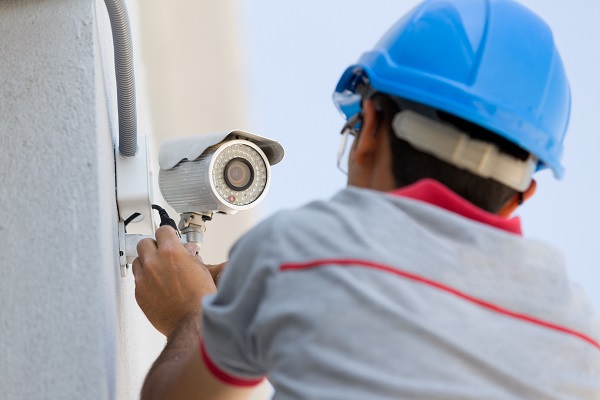
Once physical connections are confirmed, power the system back on and keep track of the video feed. Look for any flickering, distortion, or loss of signal. If concerns persist, further examine the network setups, as irregular IP addresses or network breakdowns can also affect performance.
Consistently arranged maintenance, including connection checks, aids keep the integrity of a CCTV system and guarantees that security monitoring continues to be efficient, providing peace of mind for both residential and industrial buildings.
Testing Recording Capability
Preserving CCTV systems is critical for guaranteeing their efficiency in surveillance and safeguarding homes. Routine upkeep aids to prevent possible issues and guarantees that the system operates at its optimal ability. Among the vital aspects of maintenance is checking the recording functionality, as it is crucial for recording essential occasions and proof.
To check the recording functionality of a CCTV system, start by accessing the system's user interface, normally via a linked monitor or a web browser. Inspect the settings to verify that the recording is enabled and set to the desired timetable. Conduct an examination by causing motion in front of the electronic cameras to ensure that the system catches the video footage correctly. Evaluation the recorded documents to verify both the top quality and clarity of the images.
Furthermore, it is essential to inspect the storage space ability of the system. Guarantee that there is enough available space for recordings which the system is set to overwrite old video footage if required. On a regular basis back up crucial recordings to a separate storage space device to prevent data loss.
By carrying out these tests frequently, you can recognize any breakdowns early on and maintain the CCTV system operating successfully. This positive technique assists make sure safety and security and safety and security are kept whatsoever times.
Future of CCTV Innovation
The future of CCTV technology is poised for amazing advancements, especially as it incorporates with other wise systems. As monitoring needs advance, CCTV systems featuring boosted video clip resolution, expert system, and seamless connectivity will certainly come to be the norm. Developments such as real-time analytics, cloud storage space options, and boosted user interfaces will certainly transform standard tracking right into a proactive safety and security strategy. With an emphasis on user-friendliness and availability through smart devices, the combination of CCTV with contemporary monitoring solutions guarantees to considerably elevate safety and safety and security requirements in both urban and rural environments.
AI and Facial Acknowledgment
The future of CCTV innovation is positioned for considerable transformation, driven by innovations in artificial intelligence (AI) and facial acknowledgment abilities. As protection issues expand around the world, incorporating these technologies into CCTV systems improves surveillance performance and functional effectiveness. Modern video cameras equipped with AI algorithms can examine real-time video clip feeds, identifying unusual habits, automating risk discovery, and decreasing the requirement for consistent human monitoring.
Facial acknowledgment technology represents one of one of the most engaging developments in this room. By comparing caught photos with substantial data sources, these systems can swiftly recognize people, simplifying safety treatments in public spaces, flight terminals, and industrial facilities. Nevertheless, this capability increases moral worries, particularly regarding personal privacy civil liberties and data security. Striking an equilibrium in between security improvement and individual personal privacy will certainly be important as these technologies evolve.
Furthermore, the combination of CCTV systems with IoT (Net of Things) tools is anticipated to increase interoperability and connection. Smart video cameras will not just accumulate data however additionally interact with various other gadgets, producing a comprehensive safety and security network. This synergy will certainly assist in more reliable data collection and evaluation, bring about smarter, quicker feedbacks to safety events. As modern technology continues to advance, the future of CCTV will undoubtedly transform, ending up being a lot more flexible, intelligent, and crucial in keeping safety and security in our communities.
Integration with Smart Home Tools
[newline] The future of CCTV innovation is set to reinvent the method we monitor our atmospheres, specifically with its integration right into wise home tools. As innovation advances, CCTV systems are becoming a lot more sophisticated, offering improved safety and security attributes and smooth connectivity with numerous smart home applications. This assimilation not only provides better control however also boosts user convenience and safety.
Secret growths in the future of CCTV innovation include:
- Adoption of AI and artificial intelligence for advanced analytics, enabling more exact risk discovery.
- Improved image resolution with 4K and beyond, enabling more clear surveillance video footage.
- Integration with IoT gadgets for real-time notifies and notifications directly to smart devices.
- Enhanced personal privacy functions, such as facial recognition opt-outs and data encryption.
- Wireless and battery-operated versions for easier placement and setup in diverse atmospheres.
This synergy in between CCTV and clever home systems not only boosts protection but also ensures that individuals can monitor their homes from anywhere, making it an indispensable component of contemporary security options.
Cloud Storage Solutions
The future of CCTV modern technology is readied to change the way we come close to surveillance and protection. With advancements in expert system and artificial intelligence, CCTV systems are coming to be smarter, enabling real-time analytics and boosted image recognition capabilities. This enables more aggressive safety actions, as systems can recognize anomalies or risks and sharp protection personnel quickly.
Cloud storage space solutions are playing an essential duty in this development. Unlike traditional storage space methods that count on physical devices, cloud storage offers scalability, accessibility, and progressed information management. Security footage can be accessed remotely, permitting operators to keep track of feeds from anywhere any time. This likewise makes certain that crucial video data is safe, backed up, and much less vulnerable to tampering or theft.
Additionally, incorporating cloud-based options with CCTV systems makes it possible for seamless updates and maintenance. Individuals can benefit from the most up to date functions and security enhancements without the requirement for considerable equipment upgrades. Therefore, companies are likely to see a decrease in expenses and an improvement in the overall efficiency of their security operations.
Additionally, the combination of CCTV with cloud storage space and emerging modern technologies, such as IoT devices, opens up brand-new opportunities for smarter cities. Enhanced connectivity among security systems, website traffic electronic cameras, and public security networks can change metropolitan atmospheres right into more secure spaces, offering law enforcement and emergency situation -responders with important data to enhance their performance.
To conclude, the future of CCTV modern technology, boosted by innovative cloud storage solutions, is not just around better monitoring yet also concerning creating incorporated systems that promote safety and ease of access. As these technologies continue to develop, we can expect an extra safe world notified by real-time data and smart analytics.
Advanced Analytics
The future of CCTV technology is positioned for considerable development, driven by the combination of innovative analytics. As monitoring systems progress, they are becoming more than simply easy recording devices. Modern CCTV systems are increasingly equipped with intelligent software program that can analyze video clip feeds in real-time, giving useful understandings and improving safety capacities.
Advanced analytics utilize expert system and artificial intelligence formulas to analyze information from CCTV video cameras. This enables attributes such as facial acknowledgment, habits evaluation, and anomaly discovery, transforming exactly how safety personnel monitor settings. For example, systems can automatically identify dubious tasks, alerting operators to possible risks prior to they intensify.
Furthermore, the use of cloud computing is readied to revolutionize CCTV modern technology. Keeping and processing video information in the cloud allows for better scalability and access. Customers can access live feeds and taped video footage from any kind of place, assisting in quick reaction times and remote surveillance. Furthermore, cloud integration uses enhanced data storage space options, minimizing worries concerning physical storage restrictions.
One more crucial facet of the future of CCTV is the emphasis on personal privacy and information security. As guidelines bordering security come to be significantly stringent, suppliers are developing solutions that prioritize the moral use of video. Innovations such as encrypted video streams and durable access controls will certainly guarantee that delicate information is safeguarded while still offering efficient monitoring.
As innovation continues to development, the possibilities for CCTV systems are limitless. Boosted interconnectivity with other safety and security procedures, such as alarm and gain access to controls, will create an extra cohesive security ecological community. This holistic method enables streamlined operations and boosted situational awareness, inevitably resulting in more secure atmospheres.
Boosted Wireless Technologies
The future of CCTV modern technology is poised for considerable innovations, specifically with the assimilation of boosted wireless innovations. As the need for safety and security surveillance continues to rise, growths in cordless capacities are transforming exactly how CCTV systems run and are mounted throughout numerous environments.
One major fad is the shift in the direction of boosted video clip top quality. With improvements in wireless innovations, CCTV cameras are now able to send high-def video clip and even 4K video without the need for comprehensive cabling. This not just enhances picture clearness however additionally offers higher detail for critical monitoring jobs.
Another vital development is the arrival of wise CCTV systems, which take advantage of expert system and machine learning. These systems can assess video clip feeds in real-time, using attributes such as movement discovery, facial recognition, and automatic notifies. Enhanced cordless technologies enable these smart systems to connect seamlessly, enabling prompt actions to protection cases.
Furthermore, the spreading of Wi-Fi 6 and future wireless requirements will enhance the connectivity of CCTV electronic cameras. This leads to decreased latency, boosted data transfer, and the capability to connect multiple tools without giving up efficiency. The mix of durable cordless connections and cloud storage enables remote accessibility to video and makes monitoring easier and a lot more reliable.
Furthermore, the assimilation of Internet of Things (IoT) innovation will certainly result in even more natural safety and security environments. Numerous protection tools, including alarms, gain access to controls, and ecological sensors, can be adjoined, creating an extensive safety and security structure that can be monitored via a single user interface.
To conclude, the future of CCTV technology, equipped by improved wireless modern technologies, assures enhanced surveillance capabilities, smarter systems, and higher ease for customers. As these advancements remain to unravel, the performance and reliability of CCTV as a safety device will just enhance, paving the way for more secure atmospheres throughout household, business, and public rooms.